
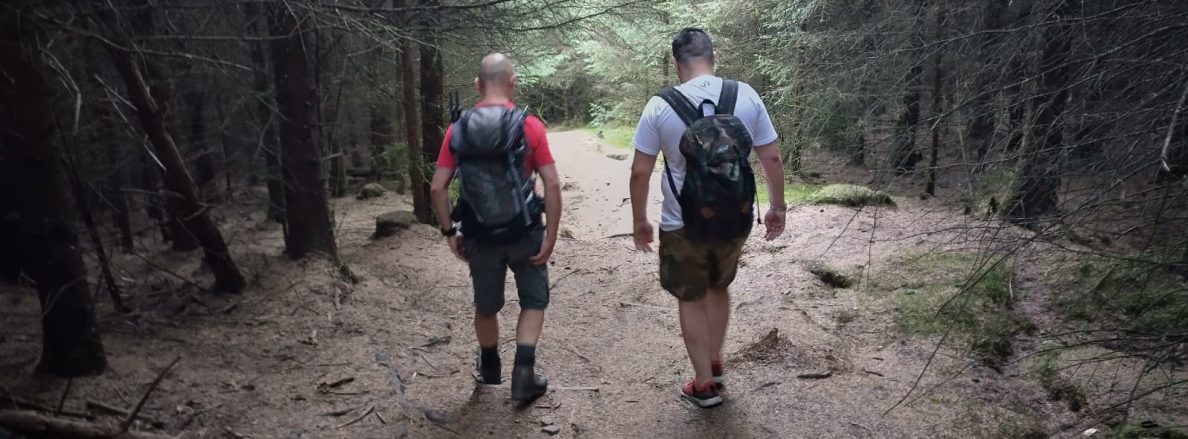

Your footwear is your connection to the Outdoors. The right boots or shoes protect your feet, provide stability, and make every step more enjoyable. Good footwear isn’t just about comfort; it’s about freedom, safety, and confidence outdoors.
Why Footwear Matters:
Prevents blisters, injuries, and discomfort.
Provides grip and stability on uneven terrain.
Keeps feet dry, warm, and comfortable.
Helps you walk further and enjoy the outdoors fully.
“A walk is only as good as the shoes you wear.” Martin & Chris, PositiveOutdoor365
Choosing the Right Footwear:
1. Fit Comes First.
Try footwear with the socks you’ll actually wear outdoors.
Make sure there’s enough toe room and remember, feet swell the longer you walk.
Snug heel fit prevents slipping, but avoid tight shoes over distance.
Test your footwear properly, walk stairs, slopes, and carry a loaded rucksack to feel real conditions.
Consider getting a professional fitting at an outdoor shop, the staff are trained to help you find the right fit and style. You don’t have to buy there, but their advice is valuable.
2. Trail Shoes vs Boots.
Trail shoes: most hikers today prefer lightweight trail shoes for day walks, moderate trails, and long-distance routes. Breathable, comfortable, and quick to break in.
Hiking Boots: are better suited for rough terrain, heavier packs, or multi-day hikes where extra support is needed.
In warm conditions or on long-distance walks, many hikers avoid Gore-Tex footwear because heat and sweat are the main causes of blisters. Breathable shoes allow moisture to escape and often perform better over distance.
Choose what works for your feet, your route, and your comfort, not just what looks good.
Material & Features:
Leather boots/shoes are durable and supportive.
Synthetics / mesh are lightweight, breathable, dry quickly.
Waterproof options are useful in wet conditions, but not always ideal for heat or long-distance walking.
Pro Tips: Fit & Sizing:
Feet swell over distance so leave enough toe room.
Test your footwear with your rucksack loaded, on stairs, and uneven ground.
Get a professional fitting at an outdoor shop; their advice is valuable even if you don’t buy there.
Sizes vary between countries and brands, a size 9/44 made in Italy may feel different from a 9/44 made in Germany. Always try them on.
Socks — The Unsung Hero:
Moisture-wicking socks reduce friction and prevent blisters.
Liner socks can help if your feet sweat more.
Wool or synthetic blends offer comfort, warmth, and breathability.
Carry spare socks on longer walks because a simple change can make a big difference.
Socks also help accommodate foot swelling over distance.
Tip: Good socks and breathability are just as important as your footwear.
Footwear Care.
Looking after your footwear keeps it performing and lasting longer:
Clean off mud and dirt after each walk.
Always check and follow the footwear label instructions as different fabrics and materials require different cleaning and care.
Waterproof footwear or shoes with membranes (like Gore-Tex) are not permanently waterproof over time.
Over time, dirt and use reduce effectiveness, so they require regular cleaning and reproofing.
Allow footwear to dry naturally and avoid direct heat.
Store in a boot or shoe bag to keep them clean and organized.
Breaking In & Testing.
Never start a long walk in brand-new footwear.
Build up distance gradually.
Test on stairs, hills, and uneven ground.
Always test with your rucksack loaded.
Tip: Comfort today = confidence tomorrow.
Foot Care — Look After Your Most Important Asset:
Your feet carry you, so take care of them before, during, and after every walk:
Keep toenails short to reduce pressure and prevent blisters.
Carry a simple blister care and foot care kit.
After a walk, change out of your footwear, especially before driving.
Let your feet air and breathe after a long day. Slippers, sandals, or going barefoot is best.
Take time to check your feet for hot spots or early signs of rubbing.
Small habits make a big difference over distance.
Extra Gear & Comfort:
Insoles for additional support.
Gaiters for wet or muddy terrain,helpful for stopping.small stones etc.
Lightweight spare shoes for after your walk.
Final Thoughts:
The right footwear combined with good socks, proper care, and attention to your feet turns every walk into a more comfortable, confident, and enjoyable experience.
“Step out prepared, as your adventure begins with looking after your feet.”
Martin & Chris, PositiveOutdoor365

We also support mental health charity Mind and trail conservation project Fix the Fells.


2026